The SaaS Trap: Convenience at What Cost?
Software-as-a-Service (SaaS) promised absolute liberation from IT complexity. The pitch was irresistible: no more servers to maintain, no more manual updates, just a clean monthly subscription for world-class software.
A decade later, the reality is starkly different. The average mid-size company now uses over 110 different SaaS applications. Each application has its own distinct login, its own rigid data model, its own set of integration headaches, and its own escalating monthly invoice. Instead of liberation, organizations find themselves in a new kind of bondage: their critical operational data is fragmented across dozens of platforms, and they truly own none of it.
Root & Logic advocates for Sovereign ERP—custom enterprise software that you own outright, control completely, and evolve on your own terms.
The Chaos of Fragmented Systems (Problem Breakdown)
When a business runs on a fragmented "frankenstein" stack of SaaS tools, the operational drag becomes immense.
Consider a standard customer journey: a lead comes in via a marketing platform, sales works them in CRM A, finance bills them in Accounting Tool B, and operations fulfills the order in ERP C. If a customer changes their shipping address, an employee must manually update that address in three separate systems. If they forget one, the product ships to the wrong location.
The Hidden Costs of SaaS Fragmentation:
- The Integration Tax: Companies spend an average of €18,000 to €35,000 annually just on middle-ware tools (like Zapier) or IT consultants to force incompatible SaaS platforms to talk to each other.
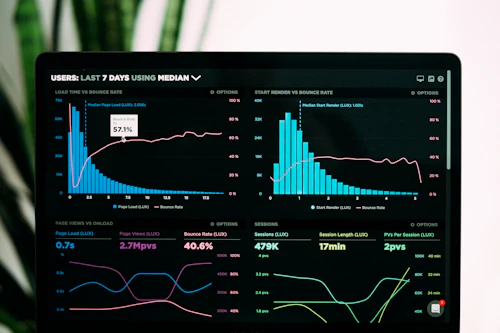
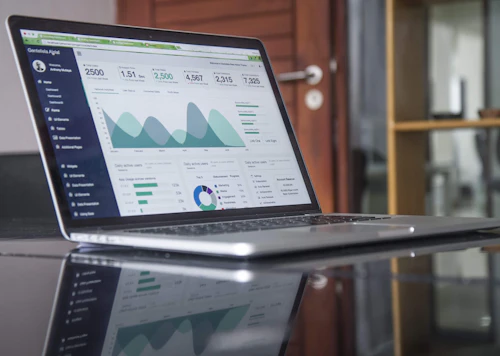
- Data Silos and Blind Spots: Because data doesn't flow naturally, leadership must rely on manually exported Excel spreadsheets to get a "unified" view of company performance. This data is outdated the moment the spreadsheet is saved.
- Predatory Vendor Lock-In: Once your entire operational history is locked inside a proprietary SaaS platform, the vendor holds all the leverage. Switching platforms becomes so painful that companies simply absorb 15-20% annual price increases without a fight.
The Root Causes: Why We Build Frankenstein Systems
How do otherwise intelligent companies end up with such chaotic IT infrastructure?
1. Departmental "Shadow IT" Purchasing
In the SaaS era, you don't need IT approval to buy software; you just need a corporate credit card. Marketing buys a tool, Sales buys a tool, and Operations buys a tool. Each department optimizes for its own immediate pain points without considering the holistic architecture of the company.
2. The "Rent vs. Build" Fallacy
For years, the conventional wisdom was that building custom software was prohibitively expensive and risky, while renting SaaS was cheap and safe. This was true in 2012. It is no longer true today. The cost of modern automation technologies and AI-assisted development has drastically reduced the cost curve of building bespoke systems, while SaaS vendor pricing has multiplied.
3. Feature Bloat Overlap
You buy Tool A for its CRM, but it includes a bad project manager. You buy Tool B for project management, but it includes a bad CRM. You end up paying for overlapping features you don't use, while the features you actually need are missing, forcing you to build manual workarounds in Excel.
Practical Solutions: The Sovereign ERP Model
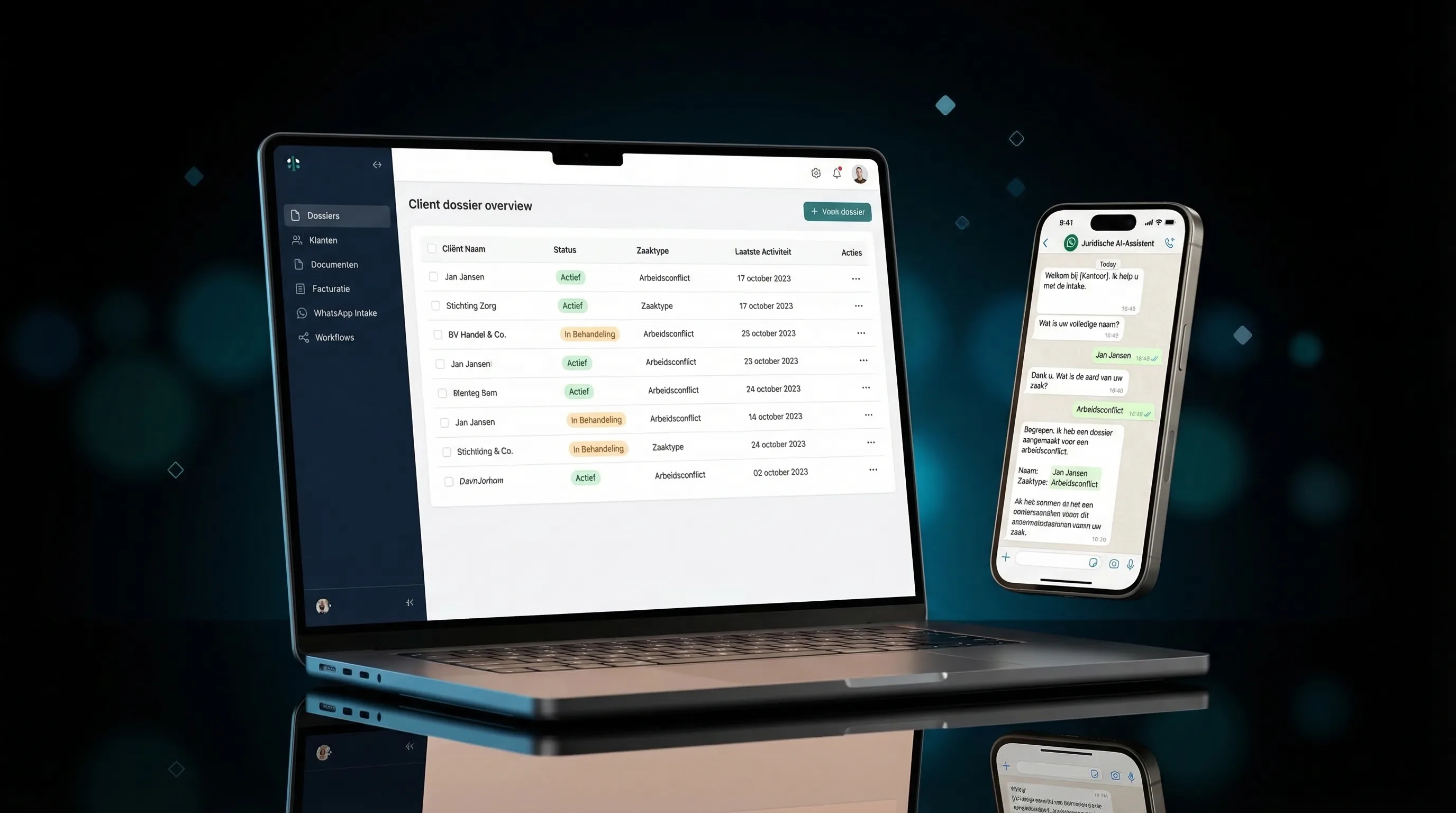
The solution is to reclaim ownership of your operational logic. A Sovereign Business Operating System (OS) is a unified architecture built specifically around your company's deeply unique processes.
Core Principles of the Sovereign Model:
- 1Absolute Data Ownership: Your data lives in a unified architectural layer that you own and control. You are not renting database space from a vendor who can cut off your API access. This absolute control is also the foundational requirement for establishing European data sovereignty, as detailed in our Fortress Europe architecture.
- 2Logic Ownership: If your company has a unique, massive competitive advantage in how you price your services, your software should execute that exact logic. You should not have to bend your unique pricing strategy to fit the limitations of a generic SaaS dropdown menu.
- 3The 360° Unified Layer: All modules (Sales, Finance, Operations, HR) read and write to the exact same central database. When a customer's address changes, it changes everywhere, instantly.
- 4Infinite Extensibility: Because you own the codebase, you can integrate cutting-edge AI agents or custom APIs tomorrow, without waiting for a vendor's "Q4 Product Roadmap."
Real-World Execution: [Project Sync-Core](/works/project-sync-core)
When we deployed a Sovereign ERP for a specialized consulting firm, the impact of moving from a 7-app SaaS stack to a single, unified system was immediate.
| Metric | SaaS Fragmented Stack | Sovereign Unified OS | Change |
|---|---|---|---|
| Meeting preparation time | 57 min per client | 8 min per client | -86% |
| Average sales cycle | 47 days | 19 days | -60% |
| Quote-to-Invoice Errors | 14% | 0.2% | -98% |
By eliminating the manual data entry across systems, the sales team effectively gained back 30% of their working week.
Beware the Traps: Common Pitfalls in Custom Software
Building a Sovereign ERP is powerful, but it carries its own set of risks if executed poorly:
* The "Build Everything from Scratch" Trap: Writing a custom authentication protocol or a basic CRM table from absolute scratch is a waste of money. Modern bespoke software leverages robust, open-source frameworks for the basic plumbing, saving the custom engineering budget for your highly specific business logic.
* Failing to Map the Process First: If you attempt to build custom software without first spending weeks mapping the exact flow of data through your company, you will accidentally hard-code your existing inefficiencies into the new system.
* Big Bang Deployments: Trying to replace 10 SaaS tools in one massive weekend launch is a recipe for disaster. Sovereign systems should be deployed modularly—start by replacing the CRM, stabilize it, then wrap in the invoicing module, etc.
Take Action Today: The Sovereignty Audit Checklist
Are you paying too much to rent a system that doesn't quite work? Execute this audit:
- [ ] The Subscription Tally: Export a list of every recurring software subscription currently hitting your corporate credit cards or AP department. Sum the annual total.
- [ ] The "Excel Bridge" Audit: Ask your team: "Which processes require you to export data from one system to a CSV/Excel file, just to upload it into another system?" These are your primary failure points.
- [ ] Data Export Verification: Log into your primary CRM or ERP. Can you freely and easily export 100% of your historical data, notes, and attachments via API today? If the vendor makes this difficult, you are locked in.
- [ ] Identify Your "Unique IP" Process: Determine the one operational process your company does better than anyone else in your industry. Does your current software amplify that process, or restrict it?
- [ ] Calculate the 5-Year Total Cost of Ownership (TCO): Take your current annual SaaS spend, factor in a 15% year-over-year vendor price increase, and compare that 5-year total against the one-time capital expenditure of building a system you own.
Strategic Conclusion: Own Your Infrastructure
Treating your operational software as a variable subscription expense made sense when software was a commodity. But today, the way your company processes data, triggers automations, and interacts with clients is your competitive advantage.
You wouldn't rent your company's core intellectual property from a third-party vendor who could raise the rent by 20% next year. Why are you doing it with your operational infrastructure?
Don't rent your productivity. Build your Sovereign OS, own your data, and turn your IT expenses back into corporate assets.
Ready to transition from SaaS fragmentation to a unified Sovereign OS? Contact Root & Logic for an architecture consultation today.